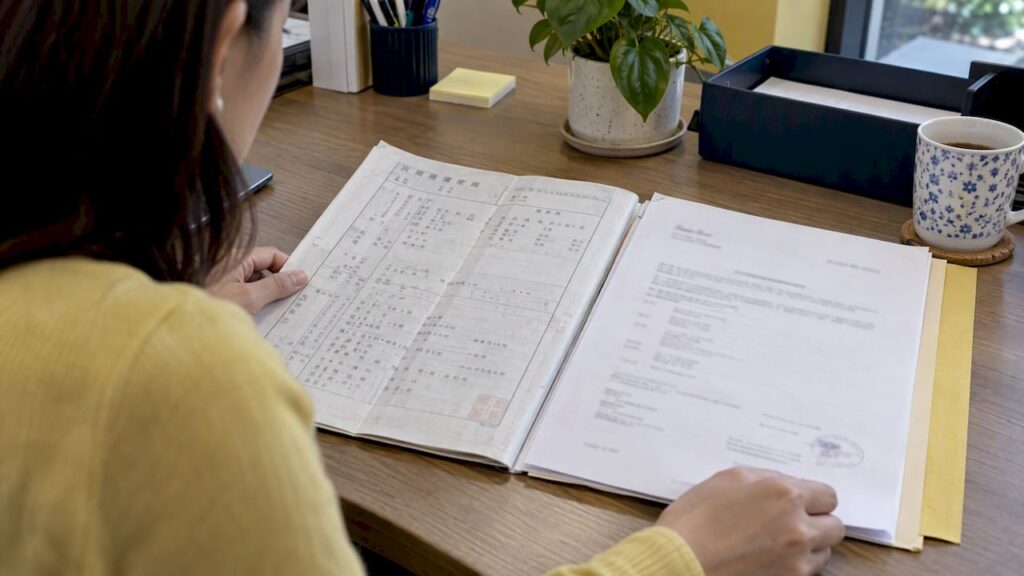
If an Australian authority, university, court or employer has asked for your Japanese document in English, you almost certainly need a certified translation from a NAATI-credentialed translator, not a quick ordinary one. The same applies in reverse for many English documents going to Japan, although the receiving body sets those rules. This guide explains which documents usually need translating, what separates certified from ordinary work, what a translation must contain to be accepted, how to prepare your files, and what to expect on cost and timing.
TL;DR
- A certified translation in Australia is done by a translator holding a valid NAATI credential, who adds their name, stamp and a certification statement. Anything else is uncertified.
- Visa, passport, citizenship, court and regulator submissions usually call for certified work. Check the exact requirement with the body receiving the document.
- Send a clear scan or copy, never your original, and include every page, seal and stamp, even the ones that seem unimportant.
- There is no standard industry rate. At Stellar Translations, certified translation starts from $0.12 per word and standard translation from $0.08 per word.
- Small jobs commonly take 2 to 5 working days. Urgent work costs more.
Table of Contents
- When you need a Japanese document translated
- Certified or ordinary translation: what is the difference?
- What an accepted Japanese translation must include
- How to prepare your Japanese documents
- What Japanese translation costs and how long it takes
- Our perspective
- Choosing a provider: what to check
- How we can help
- FAQ
- Sources
When you need a Japanese document translated
Most people arrive at this search because someone has asked for paperwork. The common situations in Australia fall into a few groups.
Personal and immigration documents. Overseas birth, marriage and education certificates are routinely requested for immigration, passport, citizenship or similar official purposes. For Japanese applicants and partners of Japanese citizens, that typically means a family register (koseki) extract, a resident record, a marriage or divorce record, a police certificate or a passport page. Japanese nationals who have lived in Australia may need the same documents going the other way.
Academic documents. Students moving between Japan and Australia are asked for transcripts, graduation certificates and sometimes course outlines. Universities and assessing bodies often want these in English, and sometimes want the English record translated into Japanese for a Japanese school or employer.
Legal documents. Contracts, powers of attorney, court judgments, affidavits, wills and statutory declarations. Here the cost of a mistake is high, and the receiving party is often strict about who did the translation.
Business and financial documents. Company registers, financial statements, agency and distribution agreements, product manuals, safety data sheets and tender documents. Australia and Japan trade heavily, so these come up often for businesses on either side. Regulators can set formal rules: ASIC requires a certified English translation of non-English documents lodged with it or provided to a person in Australia, unless the recipient agrees to take the original language.
Medical and property documents. Medical certificates, vaccination records, discharge summaries, title deeds and rental contracts also turn up, usually for insurers, clinics, visa processes or conveyancing.
The direction matters. Japanese into English is the usual route for Australian bodies. English into Japanese is common for Australians sending degrees, birth certificates or company documents to Japan, where the receiving office decides what form it accepts. Ask them before you order.
Certified or ordinary translation: what is the difference?
The difference is who did the work and what is attached to it, not how good the Japanese is.
A certified translation in Australia is produced by a translator with a relevant, valid NAATI credential, who adds their name, stamp and a certification statement. Translations that do not meet those criteria are uncertified. An ordinary translation can be perfectly accurate and still be rejected, because the receiving body has no way to verify the person behind it.
NAATI itself is the national standards and certification authority. It does not provide translation services; it maintains a directory of certified practitioners. That is why you should be wary of any provider that is vague about who will actually translate and what credential that person holds.
When NAATI certification is required
It depends on the receiving body, and the rule is usually written on the form or guidance page. Two examples from official sources:
- Home Affairs form 1447, a No Further Stay waiver request, says documents not in English must come with NAATI-accredited English translations.
- ASIC, as above, asks for a certified translation into English for non-English documents.
More broadly, some organisations, including government departments, may accept only stamped translations. If you are unsure, ask the recipient in writing which standard they apply, and keep the answer.
Ordinary (standard) translation is suitable when you only need to understand a document: reading a supplier’s email, checking a contract before you decide whether to formalise it, or preparing a draft for internal use. It costs less and is usually quicker. If the document might later be submitted anywhere official, go straight to certified. Paying twice is the most common avoidable expense in this field.
What an accepted Japanese translation must include
Acceptance usually fails on form, not language. Here is what authorities look for.
The stamp and the translator’s details
DFAT sets the most detailed public requirements. For translations submitted to the Department of Foreign Affairs and Trade, the translator must include their NAATI stamp, physical or digital, on every translated page. The stamp must clearly show the practitioner ID, language and type of certification, name, date, and a signature or digital authentication statement. Other bodies may not copy these rules exactly, but a translation that satisfies DFAT is a good benchmark for anything formal.
A digital stamp carries a unique QR code that lets the reader verify the practitioner’s credentials. QR codes are specific to the day they were generated, so the translator should download the stamp on the day of the translation. NAATI repeats this in its practitioner identification guidance, which also explains that a practitioner’s Certified Practitioner Number is nine characters long and follows a set structure, such as CPN7MF89K. If you receive a translation and the number looks wrong, or the QR code does not resolve, ask the provider before you submit.
Completeness
A good Japanese translation reproduces everything on the page, or flags what it cannot reproduce. That includes:
- Seals and stamps (hanko or inkan, municipal and ward office seals), described in square brackets, for example “[Round red seal: Chuo Ward Mayor]”.
- Handwritten entries, marked as handwritten, with illegible portions noted rather than guessed.
- Marginal notes, serial numbers, issue dates and reference codes.
- Both sides of any card or licence.
Names and dates
Japanese names are written in kanji, and one set of characters can be read several ways. The translator needs the romanised spelling used on your passport or visa so that the English matches your other records. Send a passport copy if the name is not already shown in Latin letters on the document.
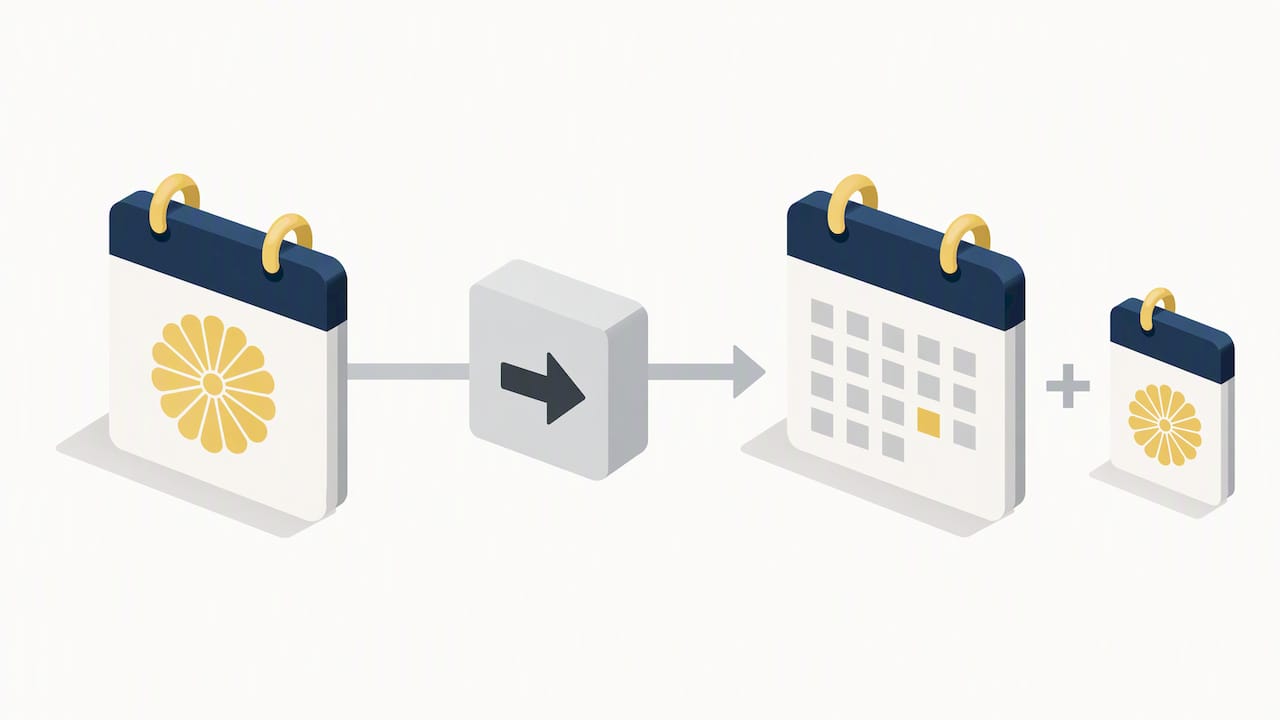
Dates are another trap. Japanese official documents often use the imperial era calendar (Reiwa, Heisei, Showa) rather than the Gregorian year. A careful translator converts to the Gregorian date and, where it helps the reader, keeps the era date in brackets. Check that a date such as “Reiwa 3” became the right year before you accept the translation.
Extract translations for personal documents
For standard personal documents, translators commonly provide extract translations that cover only the information equivalent to an Australian certificate, using standard translator’s notes for anything that does not exist in the Australian version. This is common with family register extracts, which can list many relatives you are not applying with. Ask whether the receiving body accepts an extract or wants a full translation. Some do want everything, and an extract will not be enough.
How to prepare your Japanese documents
A little preparation saves time and money.
- Send copies, not originals. AUSIT advises clients to avoid sending original documents and to provide electronic files or copies, as many professionals charge more for handling hard copy. A clear scan or a flat, well-lit photo is usually enough to quote and translate.
- Capture every page and every edge. Include blank-looking pages, reverse sides and anything stamped. Cropped edges often hide the seal or issue number.
- Check legibility. If text is faint or handwritten, send the best image you can and tell the translator which sections matter most.
- Provide the spelling of names. Send your passport details so the English name is consistent across your application.
- Say who the recipient is. Tell us whether the translation is for Home Affairs, DFAT, a university, a court, a regulator or a business. The recipient decides what format and certification are needed.
- State the direction and the purpose. Japanese to English or English to Japanese, and what the document will be used for.
- Ask about extras up front. If the document needs an apostille or other authentication in the country of issue, arrange that before translation where the receiving body requires it, because the translation may need to include those pages as well.
What Japanese translation costs and how long it takes
There is no standard industry rate for translation in Australia. AUSIT says professionals set their own fees based on the document type, complexity, language combination and urgency. As a rule, standard documents are priced per document, and larger documents often by word count. For small jobs, AUSIT suggests allowing 2 to 5 working days, and discussing timelines for anything bigger.
Japanese adds some complexity. Dense kanji layouts, forms with small boxes and stamps over text take longer to render accurately than a plain English page, so a short family register can take more care than its word count suggests.
At Stellar Translations, published rates are:
| Service | Published price |
|---|---|
| Certified translation | from $0.12 per word |
| Standard translation | from $0.08 per word |
These are starting rates published on our FAQ page. Final quotes depend on language direction, document type and layout, and certified or urgent work carries additional charges. Send the document and we confirm the price before any work begins.
A caution on price: AUSIT stresses that price should be only one factor when choosing a provider, and that very low quotes may not deliver the required professional quality. A rejected translation costs you the fee, plus time you often do not have, particularly on visa deadlines.
Our perspective
Most rejected translations we see are not rejected for poor Japanese. They are rejected because the document was the wrong type for the purpose: an ordinary translation where certification was needed, an extract where a full translation was asked for, or a missing stamp on one page. The cheapest way to get this right is to ask the receiving body what it wants before you order anything.
We have been translating since 2000, across more than 170 languages, and our certified work is NAATI-certified for official use in Australia. Our focus is documents where accuracy and confidentiality both matter: legal, immigration, academic, medical and business files. Personal records such as family registers and certificates contain sensitive details about whole families, so we treat every file as confidential from the first scan.
Our advice for Japanese documents specifically: send the whole document, tell us the romanised name spelling, tell us who will read it, and let the translator flag anything unclear rather than guess. A translator who asks you questions is doing the job properly.
— Matthew
Choosing a provider: what to check
Before you commit to anyone, including us, check these points.
- Credentials. AUSIT recommends you check the credentials of any freelancer or agency. Ask for the practitioner’s NAATI credential and certification type, and verify it in the NAATI directory.
- Experience in your field. A translator who handles immigration records every week is a better fit for a koseki extract than someone whose background is marketing copy. The same source suggests seeking references or recommendations.
- Clarity about what you receive. You should get a stamped, signed certified translation with the details described above, in a format the recipient accepts (PDF, hard copy or both).
- Confidentiality. Ask how files are stored and who sees them.
- Turnaround and pricing in writing. A clear quote with a delivery time avoids surprises.
- Be careful with machine translation. Free tools can help you read a Japanese document, but they do not provide a translator’s certification, and an authority that requires NAATI-stamped work will not accept raw machine output for a formal submission.
How we can help
Stellar Translations provides certified and standard translation in over 170 languages, including Japanese, for individuals, legal professionals, businesses and students. Our NAATI-certified service is built for documents going to Australian authorities. You can see the full range, including certified, standard and NAATI-certified translation, or look at our legal, business and document translation services. For clinical records, see our medical translation service. Send your scan, tell us the recipient, and we will confirm the right type of translation, the price and the delivery time.
FAQ
Do I need a certified translation of my Japanese birth certificate or family register?
If it is going to an Australian authority for immigration, passport, citizenship or a similar purpose, usually yes. Check the form or guidance of the body you are dealing with, as the requirement is theirs to set. Ask also whether they accept an extract or want the full register translated.
Can I translate my own documents or ask a Japanese-speaking friend?
For your own understanding, yes. For an official submission, generally no. A certified translation needs the name, stamp and certification statement of a translator with a valid NAATI credential, and translations without those are uncertified.
How long does a Japanese document translation take?
AUSIT suggests allowing 2 to 5 working days for small jobs, and discussing the timeline for anything larger with your translator. Handwritten, faint or heavily stamped documents can take longer. Urgent turnaround is possible with some providers, usually at extra cost.
Should I post my original Japanese document?
No. Send a clear scan or copy. Many translators charge more for handling hard-copy originals, and an electronic file is normally all that is needed to translate and certify.
Is a cheaper translation just as good?
Not necessarily. There is no standard rate, and AUSIT cautions that low-cost quotes may not ensure the required level of quality. Compare credentials, experience and what is included, not just the price per word.
Sources
- AUSIT: Best practices for translation of official and legal documents
- AUSIT: How do I get a personal document translated?
- AUSIT: FAQs
- Home Affairs: Form 1447, No Further Stay waiver request
- ASIC: Translation of documents
- NAATI: DFAT requirements for translators
- NAATI: Practitioner identification
- NAATI: Recertification FAQs
- NAATI: Frequently asked questions